
 Best chance 3 days / 2 nights
Ranthambore National Park
Ranthambore Tiger Safari Package 3 Days
5.0166 Tripadvisor reviews
- Private car
- Hotel
- Jeep safaris
PriceOn request
All 10 Ranthambore zones explained — core vs buffer, what each zone is like, how zones are allotted and how to give yourself the best chance of seeing a tiger.
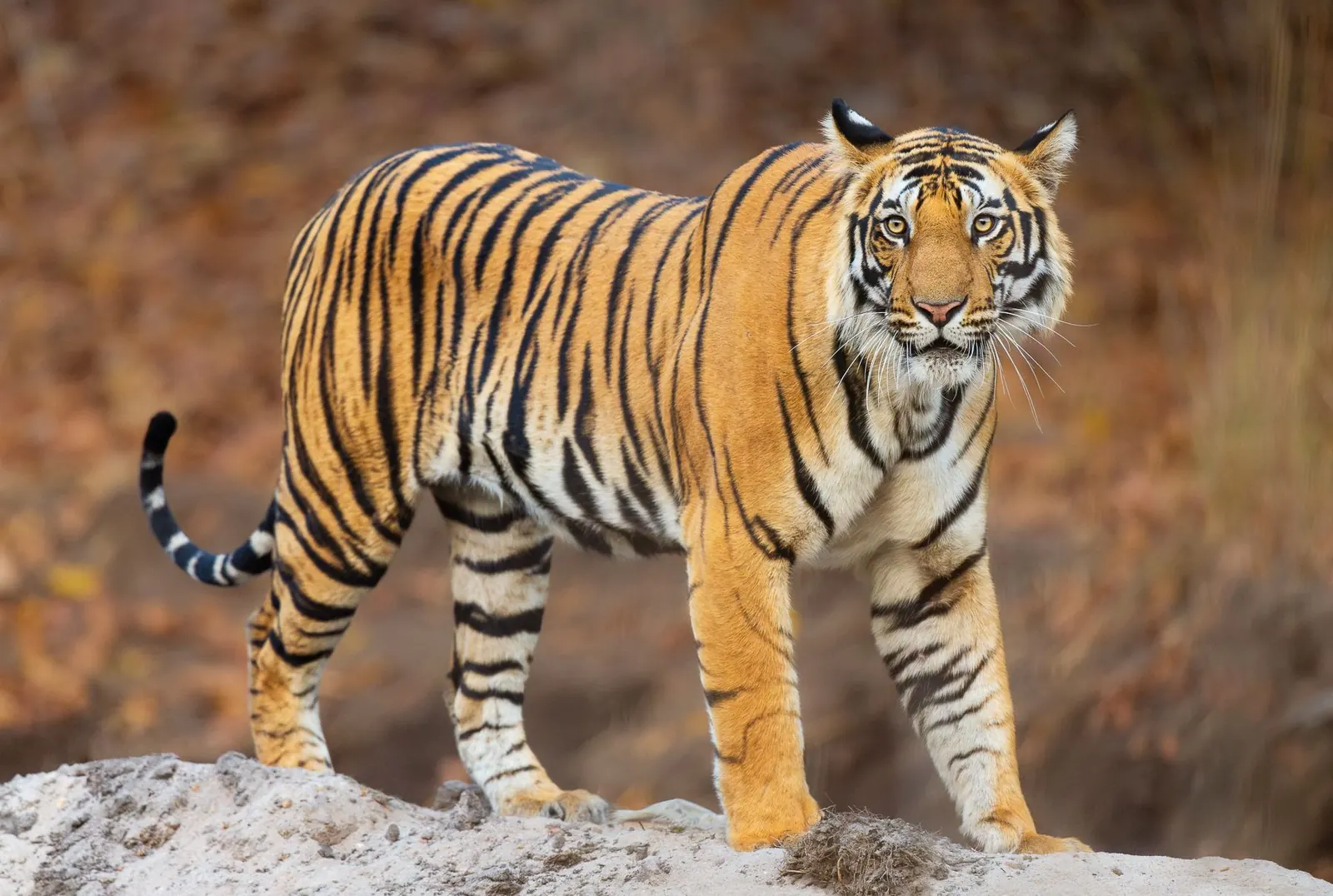
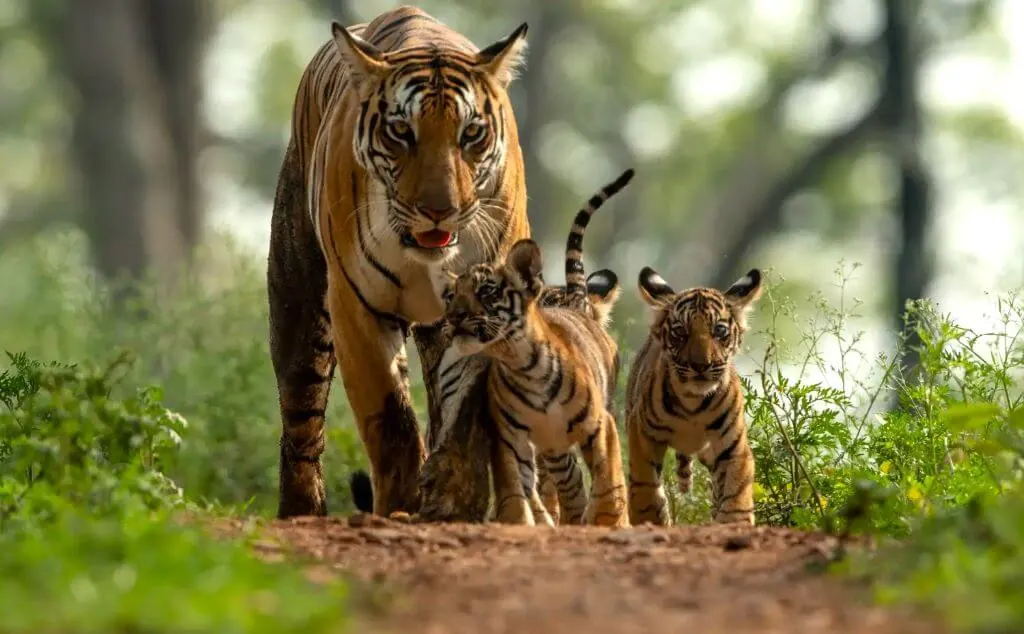
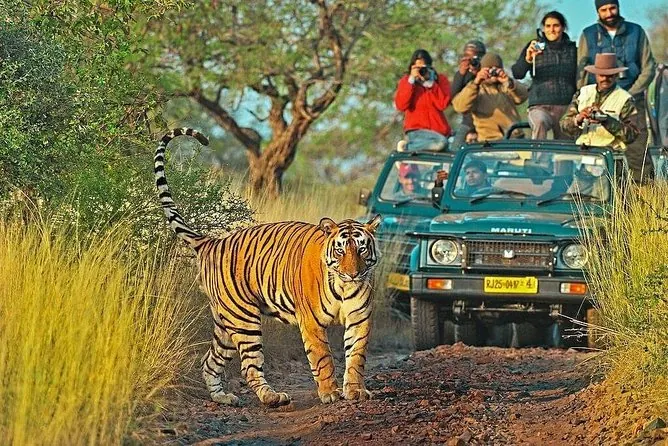

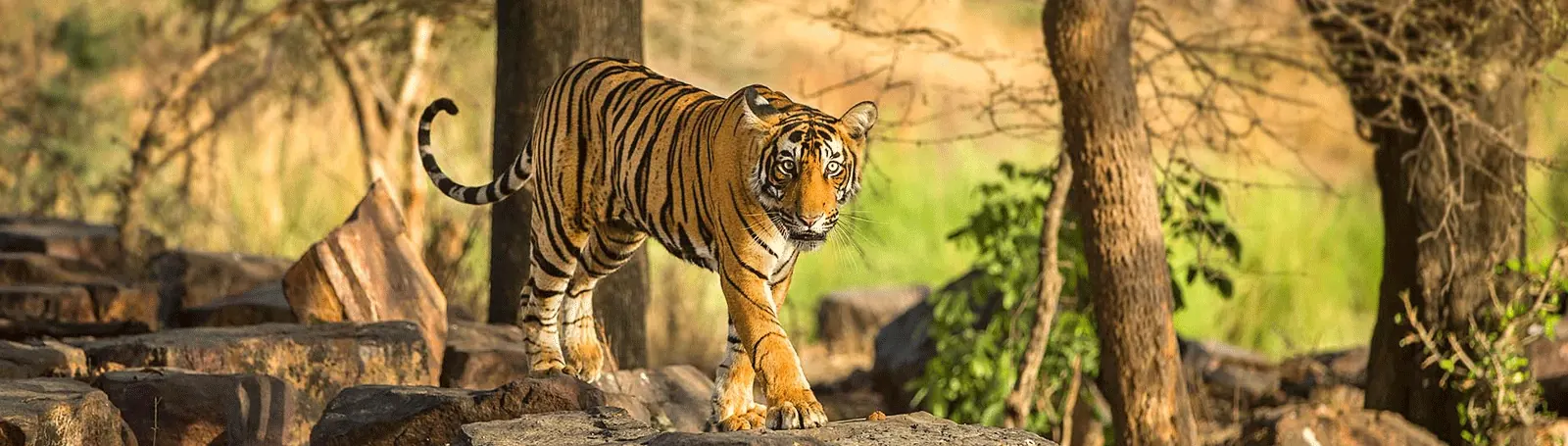
Ranthambore has 10 safari zones. Zones 1–5 are the core zones around the lakes, valleys and the fort, and are the most popular for tigers — zones 3 and 4 (Padam Talao, Rajbagh and Malik Talao) are often mentioned as the best. Zones 6–10 are buffer zones on the edges: quieter, with tigers seen more and more often. Each safari visits one zone, allotted by the Forest Department. Core zones close from 1 July to 30 September.
Each Ranthambore safari follows a fixed route inside one zone. Tigers hold territories that cross zone lines, so a tiger seen in zone 3 one week may be in zone 4 the next. That is why naturalists track recent sightings — and why several safaris in different zones give the best chance.
Areas as commonly named by local naturalists — exact zone boundaries are set by the Forest Department.
| Zone | Type | Key areas | What to expect |
|---|---|---|---|
| Zone 1 | Core | Near the main gate | Dry forest and grassland close to the entrance; popular in summer. |
| Zone 2 | Core | Lakes & fort side | Core forest towards the lakes and the fort; popular and sells out early. |
| Zone 3 | Core | Padam Talao, Rajbagh Talao | The famous lake zone with palace ruins — classic tiger-by-the-lake views. |
| Zone 4 | Core | Malik Talao, Lakarda | Lakes, grassland and valleys; known for regular sightings. |
| Zone 5 | Core | Kachida valley | Rocky valleys and open country; good for leopards, sloth bears and tigers. |
| Zone 6 | Buffer | Kundal | Open grassland on the park edge; often good for tigers that move out of the core. |
| Zone 7 | Buffer | Chidikho | Quieter forest with fewer vehicles. |
| Zone 8 | Buffer | Balas | Hilly terrain, dense forest; quieter drives. |
| Zone 9 | Buffer | Kuwalji | Away from the main gate, near the Chambal side; sloth bears and birds. |
| Zone 10 | Buffer | Aantri, Bhuri Pahadi | Remote buffer area; peaceful and less crowded. |
| Core zones (1–5) | Buffer zones (6–10) | |
|---|---|---|
| Landscape | Lakes, ruins, valleys and the fort | Grassland, hills and forest edges |
| Tiger sightings | Most frequent historically | Increasingly regular, especially zones 6–7 |
| Crowding | Busier, especially mornings | Quieter, fewer vehicles |
| Monsoon (Jul–Sep) | Closed | May run, depending on rain |
| Demand | Sells out first | Easier to book |
There is no permanent "best zone" — sightings follow the tigers. In recent seasons, the lake zones (3 and 4) and the neighbouring core zones have been the most consistent, while buffer zones such as 6 (Kundal) have produced good sightings with far fewer vehicles.
Request core zones for most drives and a buffer zone as back-up — you see more of the park and its tigers.
Morning safaris give the best activity; in summer afternoons, tigers rest near water in the lake zones.
Naturalists share daily sighting reports — they know which tiger has cubs or a new kill.
Core-zone gypsies sell out first; booking early gives you the widest zone choice.
Every safari stays in a single zone on a fixed route; you cannot move between zones.
You request zones when booking, but the Forest Department allots the final zone and vehicle.
Each zone has a limit on vehicles per session to protect the animals — this is why permits sell out.
Drivers must stay on the allotted route; vehicles are GPS-tracked and rule-breakers are banned.
Different zones on different drives cover more tiger territories.
Zones 1–5 close on Wednesdays and zones 6–10 on Tuesdays (as reported; confirm before you book).
March–June brings tigers to the lakes in zones 3 and 4.
Buffer zones are more open — binoculars help spot animals far off.
Lake zones give beautiful early light and reflections.
Local knowledge matters more than the zone number.
We request a different zone for each safari and book permits as soon as your dates are confirmed.
Best chance 3 days / 2 nights
Ranthambore National Park
5.0166 Tripadvisor reviews
PriceOn request
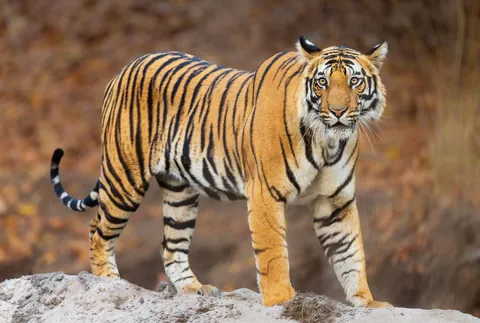 3 safaris 2 days / 1 night
Ranthambore National Park
5.0166 Tripadvisor reviews
PriceOn request
 Taj + Tiger 4 days / 3 nights
Delhi, Agra, Fatehpur Sikri, Ranthambore
5.0166 Tripadvisor reviews
PriceOn request
4 safaris 7 days / 6 nights
Delhi, Agra, Ranthambore, Jaipur
5.0166 Tripadvisor reviews
PriceOn request
There are 10 safari zones: core zones 1–5 and buffer zones 6–10.
The core lake zones 3 and 4 are often mentioned as the most consistent, with zones 1, 2 and 5 also popular. Sightings change with tiger movements, so a mix of zones over several safaris works best.
Core zones (1–5) are in the heart of the reserve around the lakes, valleys and fort. Buffer zones (6–10) are on the edges — quieter, with fewer vehicles, and they may open in the monsoon when the core is closed.
You can request a zone when booking, but the Forest Department allots the final zone and vehicle. Booking early gives the best choice.
No. Each safari stays in one zone on a fixed route.
Yes. Buffer zones like 6 (Kundal) have had regular tiger sightings in recent years, with far fewer vehicles and a more peaceful experience.
Core zones 1–5 are closed from 1 July to 30 September. Buffer zones 6–10 may run during the monsoon, depending on rain and Forest Department orders.
Each zone has a vehicle limit per session, but popular core zones can feel busy when a tiger is spotted. Buffer zones and afternoon safaris are usually quieter.
Ranthambore Fort and the Padam Talao lake sit in the core of the park, and the lake zones run below the fort. The fort itself is visited by road, separately from the safaris.
Generally no — zones are fixed when permits are issued. Any changes are at the Forest Department's discretion.
Ticket prices and timings shown for November 2026, based on the latest notifications from the official authorities below. Authorities can change rates and hours at short notice (for example on public holidays or during VIP visits) — please re-check close to your visit. US$ amounts are approximate (₹94 ≈ US$1).
Tiger safari tours
Safari stays and tours from Delhi, Jaipur and Agra — jeep safaris, naturalists and hotels arranged.
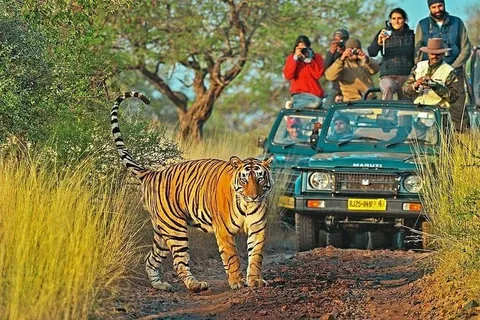 Wildlife 5 days / 4 nights
Delhi, Agra, Ranthambore, Jaipur
5.0166 Tripadvisor reviews
From$400per person
 From Jaipur 2 days / 1 night
Jaipur, Ranthambore
5.0166 Tripadvisor reviews
PriceOn request
From Delhi 3 days / 2 nights
Delhi, Ranthambore
5.0166 Tripadvisor reviews
PriceOn request
 Forts + Tiger 4 days / 3 nights
Delhi, Jaipur, Ranthambore
5.0166 Tripadvisor reviews
PriceOn request
Delhi · Agra · Jaipur
India's classic first trip — 2 to 7 days, hotels, car and guides arranged for you.
 Quick classic 3 days / 2 nights
Delhi, Agra, Jaipur
5.0166 Tripadvisor reviews
From$250per person
 Most popular 4 days / 3 nights
Delhi, Agra, Jaipur
5.0166 Tripadvisor reviews
From$300per person
 5 days / 4 nights
Delhi, Agra, Fatehpur Sikri, Jaipur
5.0166 Tripadvisor reviews
From$350per person
Wildlife 5 days / 4 nights
Delhi, Agra, Ranthambore, Jaipur
5.0166 Tripadvisor reviews
From$400per person
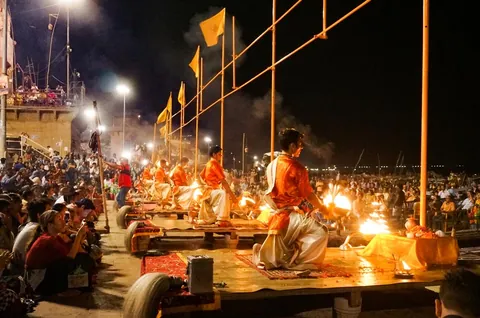 Spiritual 6 days / 5 nights
Delhi, Agra, Jaipur, Varanasi
5.0166 Tripadvisor reviews
From$450per person
 7 days / 6 nights
Delhi, Agra, Jaipur, Haridwar, Rishikesh
5.0166 Tripadvisor reviews
From$500per person
 6 days / 5 nights
Delhi, Agra, Jaipur, Amritsar
5.0166 Tripadvisor reviews
From$500per person
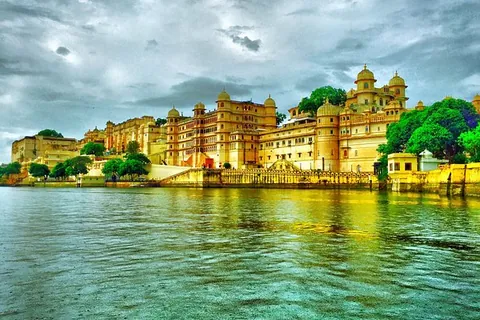 6 days / 5 nights
Delhi, Agra, Jaipur, Udaipur
5.0166 Tripadvisor reviews
From$500per person